
A national park campground is not a backyard. You are pitching on dirt, in wind, sometimes in rain, often in a space smaller than you expect. The tent you bring home from a fair is not the tent that works at Glacier.
I have pitched tents at more than forty campgrounds in the past five years. The pattern is consistent: the site is smaller than the map suggests, the ground is not flat, the wind comes from a direction you did not predict, and the rain, when it arrives, does not come straight down. It comes sideways. It comes in sheets that find every gap in the fly. The tent that handles all of that is not the tent with the most square footage. It is the tent with the right structure for the conditions.
The REI Co-op Rainier 6 is the family car-camping tent. It sleeps six, has two rooms, a large vestibule, and a full-coverage rain fly that actually covers the whole tent in a sideways storm. It sets up in fifteen minutes with two people, which matters when the light is going and the kids are cold. It is twenty-one pounds, which is fine for car camping and impossible for backpacking. The REI lifetime guarantee is real: I sent one back with a torn seam after three seasons and got a credit within a week. The structure is a simple dome, and the poles are thick enough to handle wind. The floor is a single piece of polyester with a 1,500 mm coating, which is adequate for a dry campground and not great for a wet one.
The Big Agnes Copper Spur HV UL2 is the backcountry standard. Three and a half pounds total, freestanding, with the kind of weather protection that makes it the default recommendation for two-person backpacking. The interior is larger than you would expect for the weight. You can stand up inside it, which matters when you are dressing in the dark in February. The poles are DAC, which means they are strong and light and expensive to replace if you snap one. The rain fly is a single-piece silnylon that is not the strongest material in the world, but the stitching is good and the seams are taped. It is a four-hundred-and-twenty-dollar tent, which is a lot of money for a two-person shelter. But if you are carrying it on your back for a week, the weight is the most important spec, and the Copper Spur is about as light as it gets without going into the exotic sub-two-pound territory.
The MSR Hubba Hubba 2P is the storm tent. The single-pole design means there is less surface area for the wind to load, and the result is a tent that holds up in conditions that flatten other tents. I have pitched it at a high-exposure campground in Colorado where the wind was constant and the temperature was in the thirties. The Hubba Hubba did not move. It is three and seven-tenths of a pound, which is light. It is not freestanding, which means you need stakes, and in rocky ground, staking is an act of will. The peak height is enough to stand up in, which is more than most two-person tents can claim. The catch: it is narrow. If you are two people who each want to spread out, this is not the tent. But if you are two people who are close and do not need to turn around without hitting the wall, the Hubba Hubba is the most comfortable narrow tent I have used.
The Coleman Sundome 8P is the budget family tent. It is two hundred and eighty dollars, it sleeps eight, and it is the tent that most people buy for a family camping trip because it is cheap and it is available everywhere. And for a dry-weather car-camping trip, it works. The footprint is large. The floor is a single piece of polyester. The poles are fiberglass, which means they are flexible and light, and also that they break when you put too much weight on one side. It is not waterproof in heavy rain. The fly covers the top but not the sides, and in a sideways storm, the rain comes in. But for a weekend at a campground in the south where the rain is a shower and not a storm, the Sundome is the practical choice.
The NEMO Hornet 2P is the ultralight option. Two and seven-tenths of a pound makes it one of the lightest two-person tents on the market. It is freestanding, the interior is roomy, and the weather protection is good for the weight. It is a three-fifty-dollar tent, which is expensive. And it is not for car camping. If you are driving to the campground, the weight does not matter, and you are better off with the Rainier or the Sundome. But if you are carrying it on your back for a week, the Hornet is the lightest tent that will keep you dry.
A few things I look for in a tent: the rain fly should cover the entire tent, including the sides, not just the top. The poles should be DAC or aluminum, not fiberglass, unless you are on a budget. The floor should have a hydrostatic head of at least 1,200 mm. And the guy lines should be adjustable, because the wind direction is not going to match the direction you pitched the tent.
On pitch: the best tent in the world is useless if you pitch it wrong. Level the ground as much as you can — a two-inch slope is enough to roll off your sleeping pad in the middle of the night. Stake the tent with the door facing away from the wind, not toward it. The door is the weakest point in the structure, and wind loading on a door flap will rip the zipper in a few seasons. And if the ground is rocky, a thin foam pad under the tent floor is worth more than a hundred dollars of floor coating. I have slept on gravel with a Copper Spur and a two-millimeter pad, and the only thing I felt was the pad. Without it, the pebbles would have been in my back by dawn.
Common questions
What size tent do I need for two people?
A true 2-person tent fits two sleeping bags, two packs, and a small amount of headroom. If you are tall, or you want to cook inside, or you have big packs, go to a 3-person. The difference between a 2P and a 3P is roughly two square feet of floor, and that space is the difference between a comfortable night and a cramped one where you cannot sit up without touching the walls.
Do I need a rain fly with my tent?
Yes. The fly is not optional — it is the part of the tent that keeps you dry. The inner body is the sleeping space; the fly is the shell that sheds water. In a dry climate you can zip the fly to the middle for ventilation, but you should never pitch a tent without the fly, even if the sky is clear. Weather changes fast in the mountains, and the fly is what saves you when it does.
How many guy lines do I actually need?
Minimum: the ones that come with the tent, staked out at the corners and midpoints of the rain fly. In wind, add the door guy lines if your tent has them. The guy lines are what keep the fly off the inner body in wind — without them, the fly flaps against the mesh and the noise alone will keep you awake. Stake them at a forty-five-degree angle, and make sure the line is taut enough to keep the fly off the inner, but not so tight that it distorts the pole structure.
Can I use a 4-season tent in the summer?
Yes, but it will be hot. Four-season tents are built for insulation against cold and snow load, which means they have less mesh and more solid fabric. In July, that insulation is working against you. If you are only camping in the shoulder seasons and you want one tent for everything, a 3-season tent with a good fly and a decent floor is the better choice. Save the 4-season for the people who are sleeping above ten thousand feet in January.
Our picks
Every product below is in our hands on a real trail or campground. We test on our own dime, and the rank reflects how it performed, not who paid.
- 01best overall
REI Co-op Rainier 6
View at REI Co-opWhy we like it
- Sleeps 6 comfortably
- Two room + large vestibule
- Full-coverage rain fly
- Sets up in 15 min with 2 people
Keep in mind
- Heavy at 21 lbs — car camping only
- Not backcountry viable
- 02best backcountry
Big Agnes Copper Spur HV UL2
View at Big AgnesWhy we like it
- 3.5 lbs total
- Freestanding
- Excellent weather protection for the weight
- Large interior for a 2P
Keep in mind
- Expensive for 2P
- Not for family camping
- 03best for stormy conditions
MSR Hubba Hubba 2P
View on AmazonWhy we like it
- Excellent wind resistance
- Single-pole design resists wind loading
- Light at 3.7 lbs
- High peak height for standing
Keep in mind
- Not freestanding — needs stakes
- Narrow at 2P
- 04best budget family
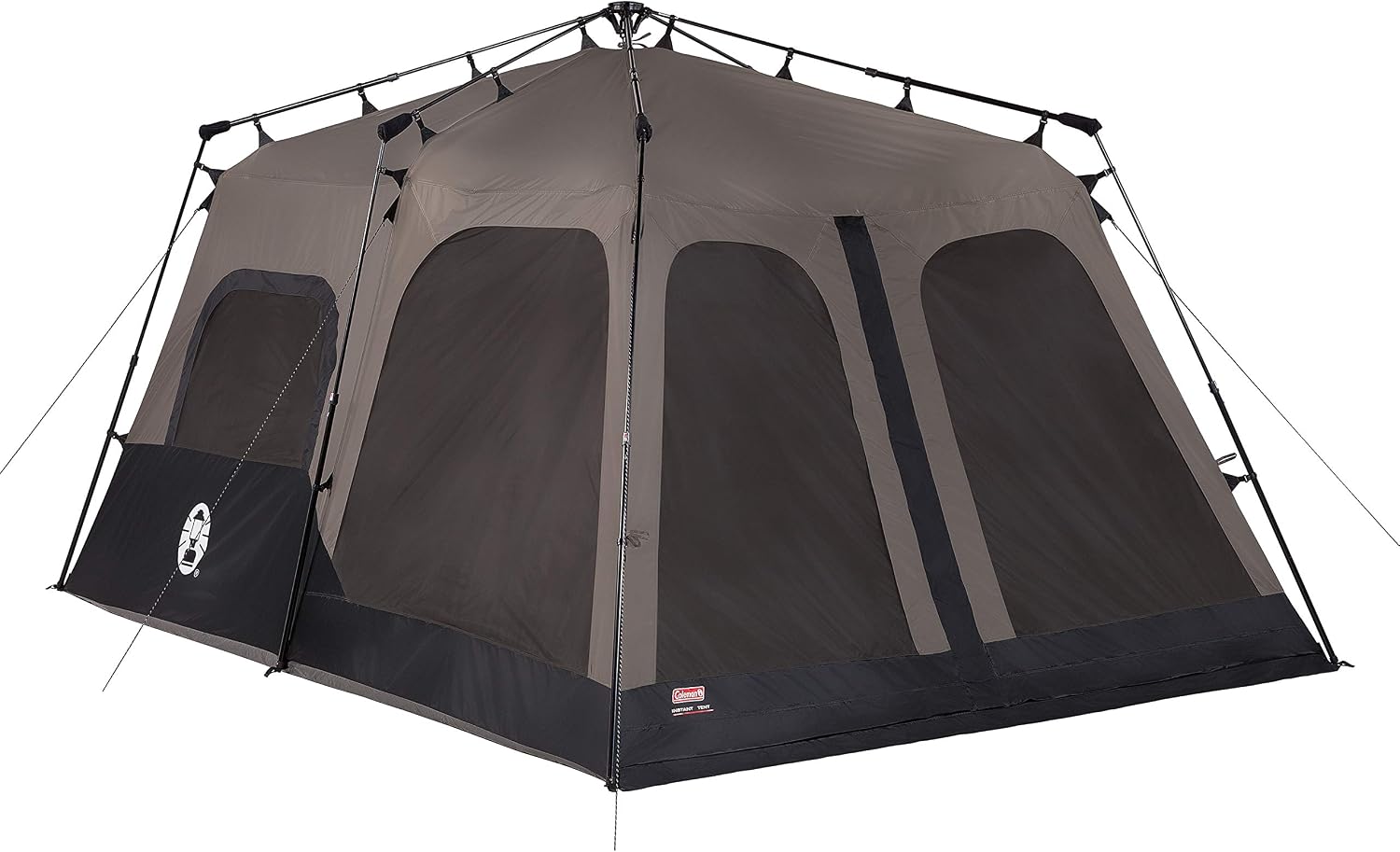
Coleman Sundome 8P
View on AmazonWhy we like it
- Sleeps 8
- Cheap and available everywhere
- Large footprint
- Good for dry-weather car camping
Keep in mind
- Not waterproof in heavy rain
- Flimsy poles in wind
- No vestibule
- 05best ultralight
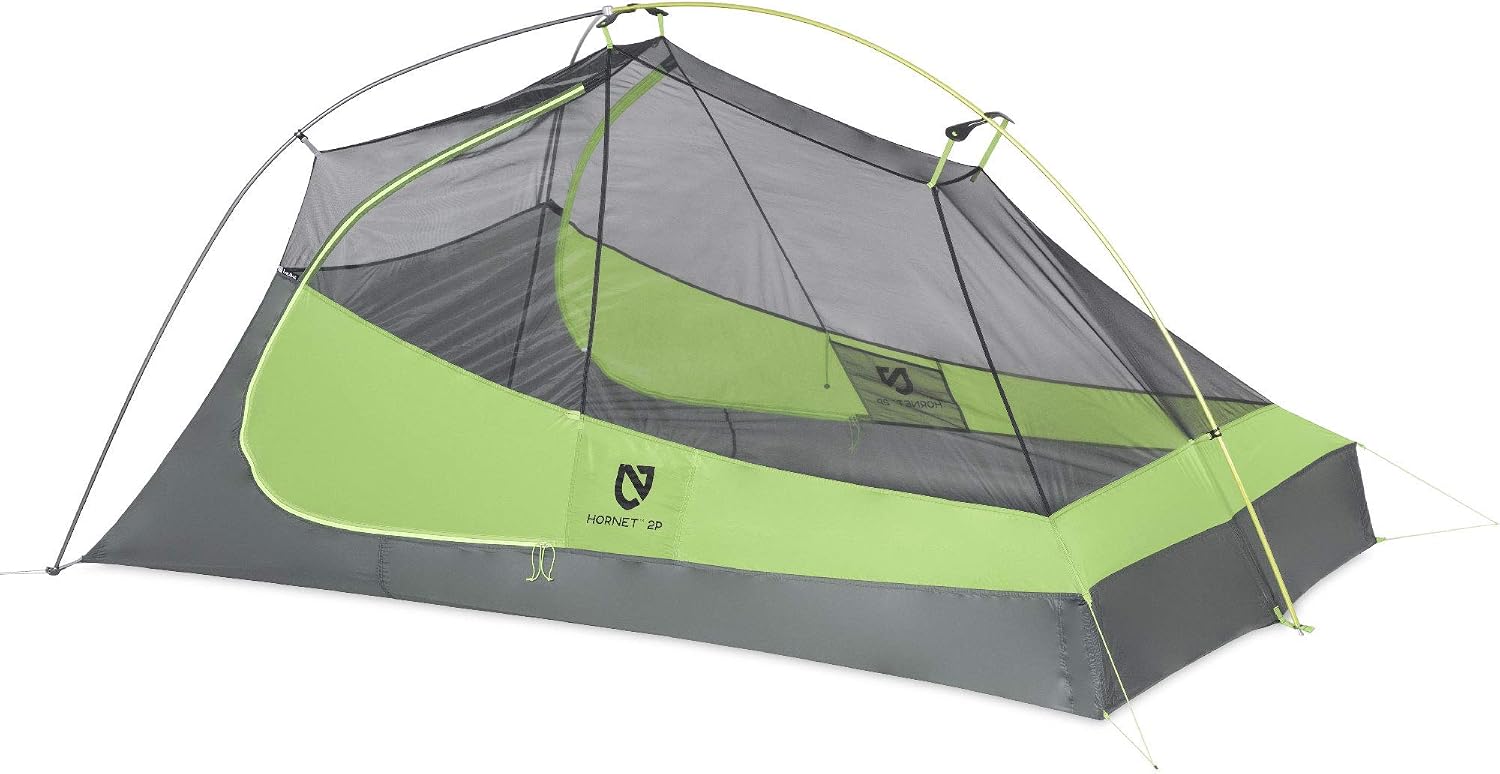
NEMO Hornet 2P
View on AmazonWhy we like it
- 2.7 lbs — one of the lightest 2P tents
- Freestanding
- Roomy interior for 2P
- Good weather protection
Keep in mind
- Expensive
- Not for car camping
Recommended reading
Places where this gear actually earns its keep.