
Travel gear is a category that has outgrown its own definition. Twenty years ago, travel gear meant a duffel bag, a pair of comfortable shoes, and a water bottle. Today it means a ecosystem of specialized tools — packing cubes, tech organizers, portable chargers, noise-canceling headphones, compression bags, universal adapters — each one solving a specific problem that the old canvas duffel could not. The challenge is not finding individual pieces of gear. The challenge is finding the set of pieces that work together, that fit in the same bag, and that do not add more weight than they save.
The Peak Design Tech Pouch 3L is the anchor piece of a modern travel kit. It is a three-liter organizer bag that holds a laptop, a tablet, a charger, cables, a hard drive, and a small notebook, all in separate padded compartments that keep each item protected from the other. The pouch is made from a water-resistant nylon shell with a YKK zipper, and it fits in the dedicated tech pocket of most travel backpacks, including the Osprey Farpoint 40 and the Timbuk2 Never Check. At three liters, it adds almost no weight to the overall pack, and the padding it provides is the difference between a laptop that survives a gate check and one that does not.
The second anchor piece is the travel duffel. A forty-liter duffel is the right size for a traveler who wants a single bag that handles both the carry-on and the checked bag. The duffel is lighter than a rolling suitcase, it fits in the overhead bin of most airlines, and it can be thrown over the shoulder or carried by the handle without the bulk of a frame. The 40L Travel Duffel in this guide is a purpose-built travel duffel with a dedicated shoe compartment, a garment section, and compression straps that cinch the bag down to a smaller profile when it is not full. It is the piece that turns a travel kit from a collection of items into a single, manageable unit.
The third piece is the portable charger. A travel kit is only as good as its ability to keep the electronics charged, and a power bank is the only reliable way to do that when you are away from a wall outlet for more than a few hours. A ten-thousand-millampere-hour power bank will charge a smartphone two to three times, a tablet once, and a small laptop half a time. It is small enough to fit in a pocket and light enough that you will not think about it until you need it.
The TravelPro St2 Carry-On is the fourth piece and the one that completes the kit. It is a hard-shell carry-on suitcase that fits the standard airline envelope and has the structural integrity to survive a decade of gate checks. The St2 is the piece that travels with you when you need a rigid container for fragile items or when you want to skip the backpack entirely and roll a suitcase instead. It is the piece that makes the travel kit complete: the backpack for the tech and the clothing, the duffel for the bulk, the power bank for the energy, and the suitcase for the rigid items.
The five pieces in this guide — the Tech Pouch, the 40L duffel, the power bank, the St2, and the Farpoint 40 backpack — form a travel kit that weighs under fifteen pounds, fits in one carry-on, and covers every scenario from a weekend city break to a two-week international trip. The total cost of the kit is under six hundred dollars, which is less than the price of a single piece of luxury luggage, and every piece is built to last longer than the trip that bought it.
Common questions
What is the minimum travel gear kit for a one-week trip?
The minimum kit is a travel backpack (thirty-five to forty-five liters), a tech organizer pouch, a portable power bank, a universal power adapter, and a small toiletries bag. That is five pieces, and the total weight is under ten pounds. Add a duffel if you are traveling with a partner or if you are carrying more than one week of clothing. The goal is to keep the total under fifteen pounds so that the bag fits in the overhead bin and does not require a checked bag, which saves time at the airport and eliminates the risk of lost luggage.
Do I need a hard-shell or a soft-sided carry-on?
A hard-shell carry-on is the better choice if you fly frequently, check your bag often, or travel through airports where bags are handled roughly. The hard shell resists scratches, dents, and water damage in a way that a soft-sided bag cannot. A soft-sided carry-on is the better choice if you want to maximize interior volume, if you travel through tight spaces like cobblestone streets and small-town stations, or if you want a bag that compresses to a smaller profile when it is not full. The honest answer: most travelers are better off with a soft-sided backpack for the carry-on and a hard-shell suitcase for the checked bag.
How many power banks do I need for a two-week trip?
One ten-thousand-millampere-hour power bank is enough for a two-week trip for most travelers. It will charge a smartphone two to three times, a tablet once, and a small laptop half a time. If you are a heavy phone user or you are traveling in an area with unreliable power, bring two. The second power bank does not need to be the same size — a five-thousand-millampere-hour unit is enough for a backup. The key is to keep the power banks charged before you leave, and to plug them in every night when you are in a hotel with a reliable outlet.
Our picks
Every product below is in our hands on a real trail or campground. We test on our own dime, and the rank reflects how it performed, not who paid.
- 01best tech organizer
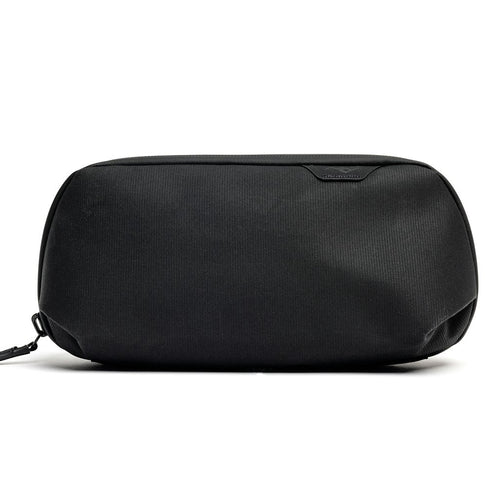
Peak Design Tech Pouch 3L
View on AmazonWhy we like it
- Separate padded compartments for each device
- Water-resistant nylon shell
- Fits in the tech pocket of major travel backpacks
- Three-liter capacity is enough for a full tech kit
- Peak Design 10-year warranty
Keep in mind
- The padding adds a small amount of bulk
- Not waterproof, only water-resistant
- The YKK zipper is good but not the best in the industry
- 02best hard-shell carry-on
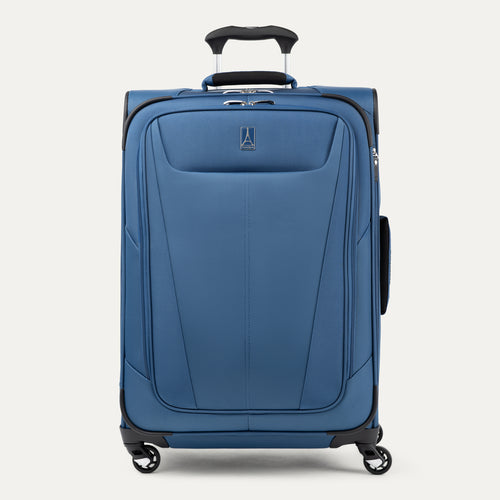
TravelPro St2 Carry-On
View on AmazonWhy we like it
- Hard-shell construction resists scratches and dents
- Fits the carry-on envelope of every major airline
- TravelPro 5-year warranty
- Smooth-rolling four-wheel spinner
- Internal compression straps keep clothing in place
Keep in mind
- Heavier than a soft-sided carry-on
- The hard shell does not compress when partially empty
- No dedicated tech compartment
- 03best all-in-one bag
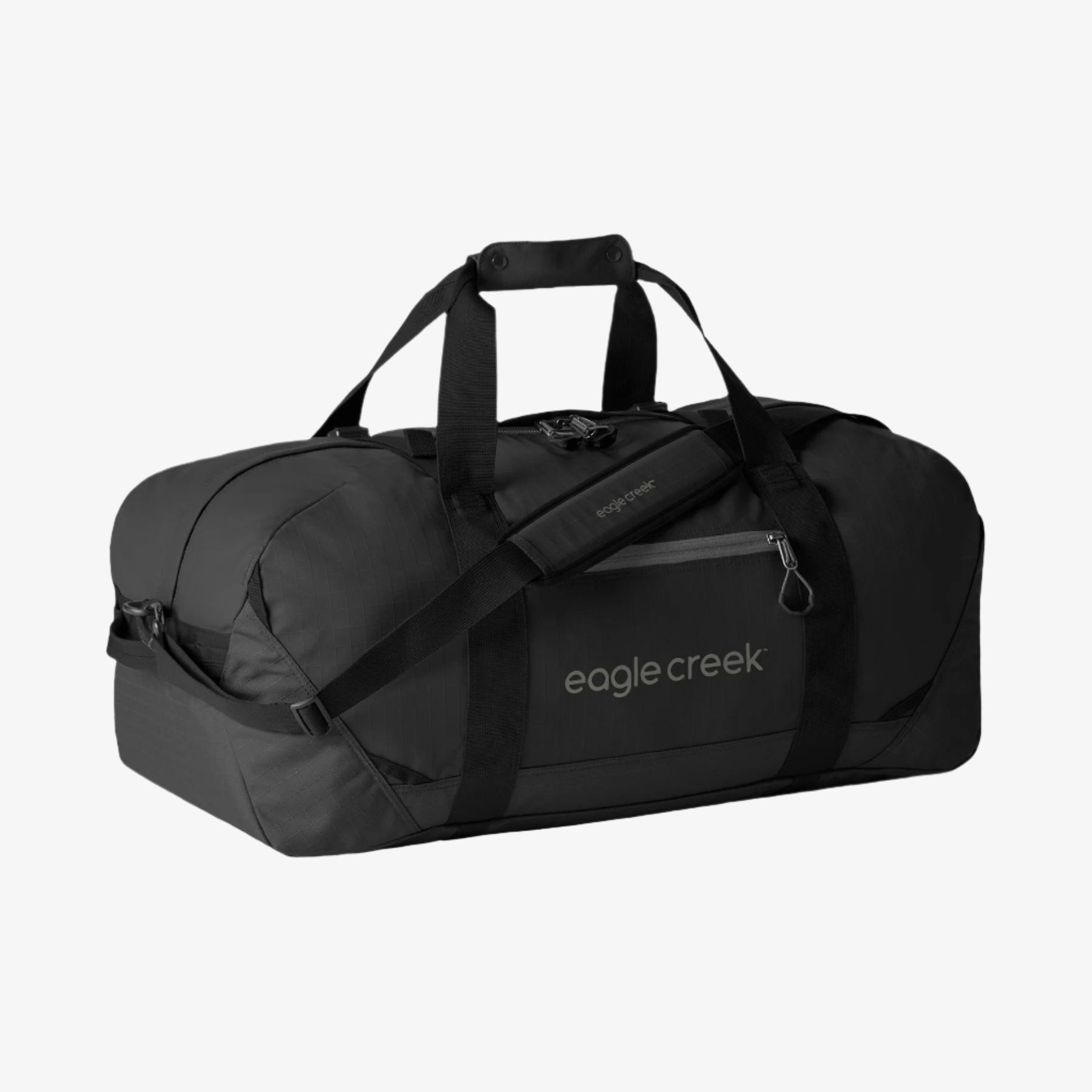
40L Travel Duffel
View on AmazonWhy we like it
- Forty-liter capacity fits a full week of gear
- Dedicated shoe compartment and garment section
- Compression straps reduce the profile when partially empty
- Lighter than a rolling suitcase
- Fits in the overhead bin of most airlines
Keep in mind
- No wheels, so it is carried by hand or shoulder
- The compression straps add a small amount of weight
- No lockable zipper
Recommended reading
Places where this gear actually earns its keep.