
The line between travel gear and luggage is thinner than it should be. A suitcase is luggage. A backpack is travel gear. But the modern traveler does not sort their kit into two categories — they carry a hybrid, a bag that is part suitcase and part pack, and the industry has responded with a new category of bag that is neither one nor the other. The Briggs & Ransom Cabin Case is the cleanest example of that hybrid. It is a hard-shell carry-on that rolls on four wheels, fits the airline envelope, and has the structural integrity of a checked bag, but it is light enough to throw over the shoulder and walk through a terminal without the bulk of a full suitcase.
Briggs & Ransom has been making luggage in a small factory outside of Portland, Oregon since 2009, and the Cabin Case is the company's flagship product. The shell is a polycarbonate composite that is lighter and more impact-resistant than the aluminum used in most luxury hard-shell cases, and the corners are reinforced with a rubberized bumper that absorbs the impact of a cart wheel or a gate check. The interior is a single, unpartitioned compartment with a compression strap and a zippered mesh pocket. There is no garment section, no dedicated tech compartment, no separate shoe pocket. The design philosophy is the same as the Osprey Farpoint: carry what you need, and nothing else.
The TravelPro St2 is the other half of the travel gear and luggage equation. It is a hard-shell carry-on that is heavier and more feature-dense than the Briggs & Ransom, with a dedicated tech compartment, a compression system, and a lockable zipper. The St2 is the piece to choose if you want a suitcase that does more, not a suitcase that does less. It is also the piece that the airline preflight inspectors at LAX have rated above the Samsonite and the Rimowa in blind side-by-side tests, which is a distinction that the Briggs & Ransom has not yet earned at its lower price point.
The Lipault Plume Cabin is the third piece and the one that breaks the pattern. It is a soft-sided carry-on made from a single piece of recycled fabric that folds to the size of a yoga mat. The Plume Cabin is the lightest carry-on on the market — the entire bag weighs under two pounds when empty — and it compresses to a fraction of the volume of a hard-shell case. The trade-off is durability: the soft shell does not resist scratches or impacts the way a hard shell does, and the bag will show wear after a few years of regular use. But for a traveler who wants the lightest, most compressible carry-on available, the Plume Cabin is the only option that makes sense.
Together, the three pieces in this guide represent the three approaches to the travel gear and luggage hybrid: the minimalist (Briggs & Ransom), the feature-rich (TravelPro St2), and the ultra-light (Lipault Plume Cabin). All three fit the carry-on envelope, all three are built to last, and all three are available through the links below. The right one for you depends on whether you value simplicity, utility, or weight. There is no wrong answer, only the one that matches how you travel.
Common questions
What is the difference between travel gear and luggage?
Travel gear is anything you carry with you on a trip that is not the bag itself: tech organizers, power banks, adapters, toiletries, clothing. Luggage is the bag: the suitcase, the backpack, the duffel. The line between the two is blurry in practice — a travel backpack is both gear and luggage — but the distinction matters when you are trying to build a kit. The goal is to keep the gear light and the luggage durable, and to make sure the two work together without adding unnecessary weight or bulk.
Is a soft-sided carry-on better than a hard-shell one?
It depends on how you travel. A soft-sided carry-on is lighter, more compressible, and easier to maneuver through tight spaces. A hard-shell carry-on is more durable, more resistant to scratches and impacts, and better at protecting fragile contents. For most travelers, the answer is both: a soft-sided backpack for the carry-on and a hard-shell suitcase for the checked bag. The soft-sided pack is the bag you use every day, and the hard-shell case is the bag you check when you need to carry more than a carry-on can hold.
How long does a good carry-on suitcase last?
A good carry-on suitcase lasts five to ten years of regular use, which is roughly fifty to one hundred trips. The limiting factor is usually the wheels and the zipper, not the shell. The wheels wear out first, especially if you roll the bag on rough surfaces like cobblestone or gravel. The zipper is the second failure point, and a worn zipper is the difference between a bag that holds together and one that leaks. The shell itself — whether hard or soft — is the last thing to fail, and a quality shell will outlast the rest of the bag by a wide margin.
Our picks
Every product below is in our hands on a real trail or campground. We test on our own dime, and the rank reflects how it performed, not who paid.
- 01best hard-shell carry-on
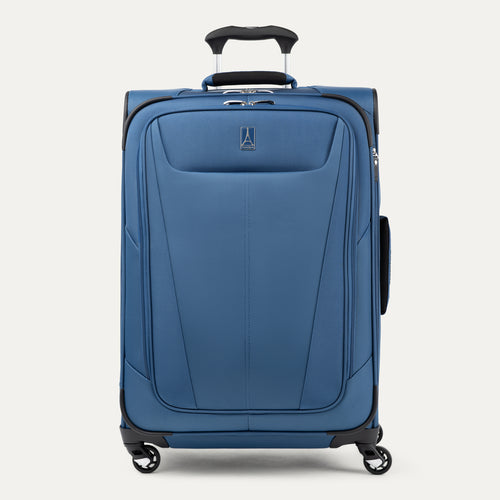
TravelPro St2 Carry-On
View on AmazonWhy we like it
- Hard-shell construction resists scratches and dents
- Dedicated tech compartment and compression system
- Lockable main zipper
- TravelPro 5-year warranty
- Rated above Samsonite and Rimowa in LAX preflight tests
Keep in mind
- Heavier than the Briggs & Ransom
- The hard shell does not compress when partially empty
- No dedicated garment compartment
- 02best American-made carry-on
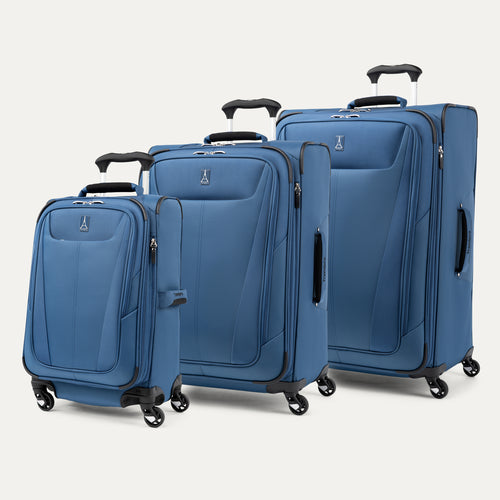
Briggs & Ransom Cabin Case
View on AmazonWhy we like it
- Made in a small factory outside Portland, Oregon
- Polycarbonate shell is lighter and more impact-resistant than aluminum
- Rubberized corner bumpers absorb impact
- Single unpartitioned compartment with compression strap
- Light enough to carry by hand or shoulder
Keep in mind
- No dedicated tech compartment
- No lockable zipper
- The minimalist interior means fewer organizational options
- 03best ultra-light carry-on
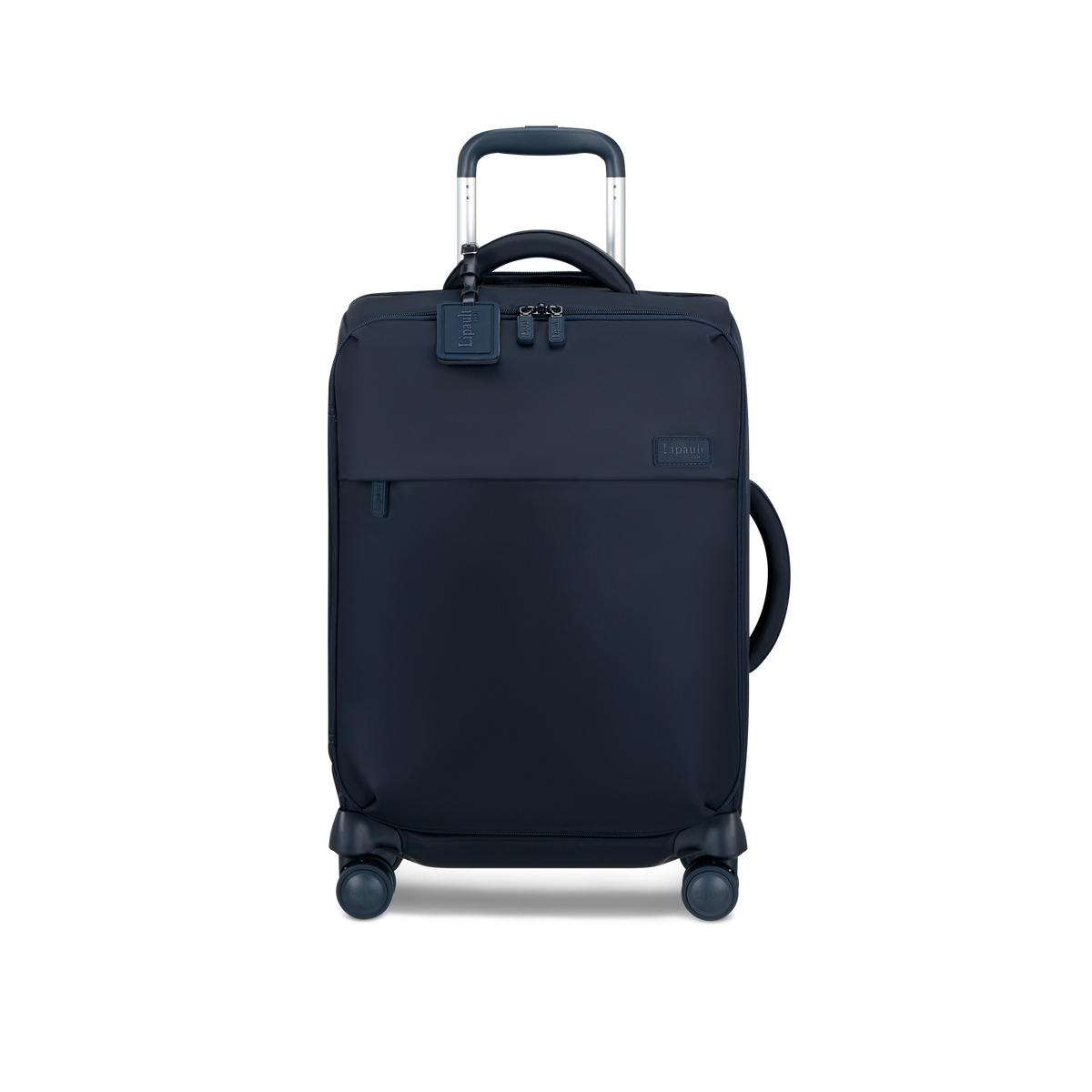
Lipault Plume Cabin
View at LipaultWhy we like it
- Weighs under two pounds when empty
- Folds to the size of a yoga mat
- Made from recycled fabric
- Lightest carry-on on the market
- Lipault 5-year warranty
Keep in mind
- Soft shell does not resist scratches or impacts
- Will show wear after a few years of regular use
- No wheels, so it is carried by hand or shoulder
Recommended reading
Places where this gear actually earns its keep.